
CBPA Graduate Artist Residency (Bahia, Brazil)
A summer residency offering time, space, and intensive study for Brazilian artists and Stanford graduate students.
The Committee on Black Performing Arts and The Institute for Diversity in the Arts at Stanford University (IDA) hosts a summer artist residency for Stanford Graduate Students and Brazilian artists at Sacatar Artist Residency in Bahia, Brazil . IDA will cover the cost per resident, including lodging, food, studio space, and round-trip air travel for the program duration.
During this program, Stanford graduate student artists will travel as a cohort to the state of Bahia, Brazil a country with the largest African descendant population outside of the African continent. Stanford students will be joined in residency alongside Brazilian artists.
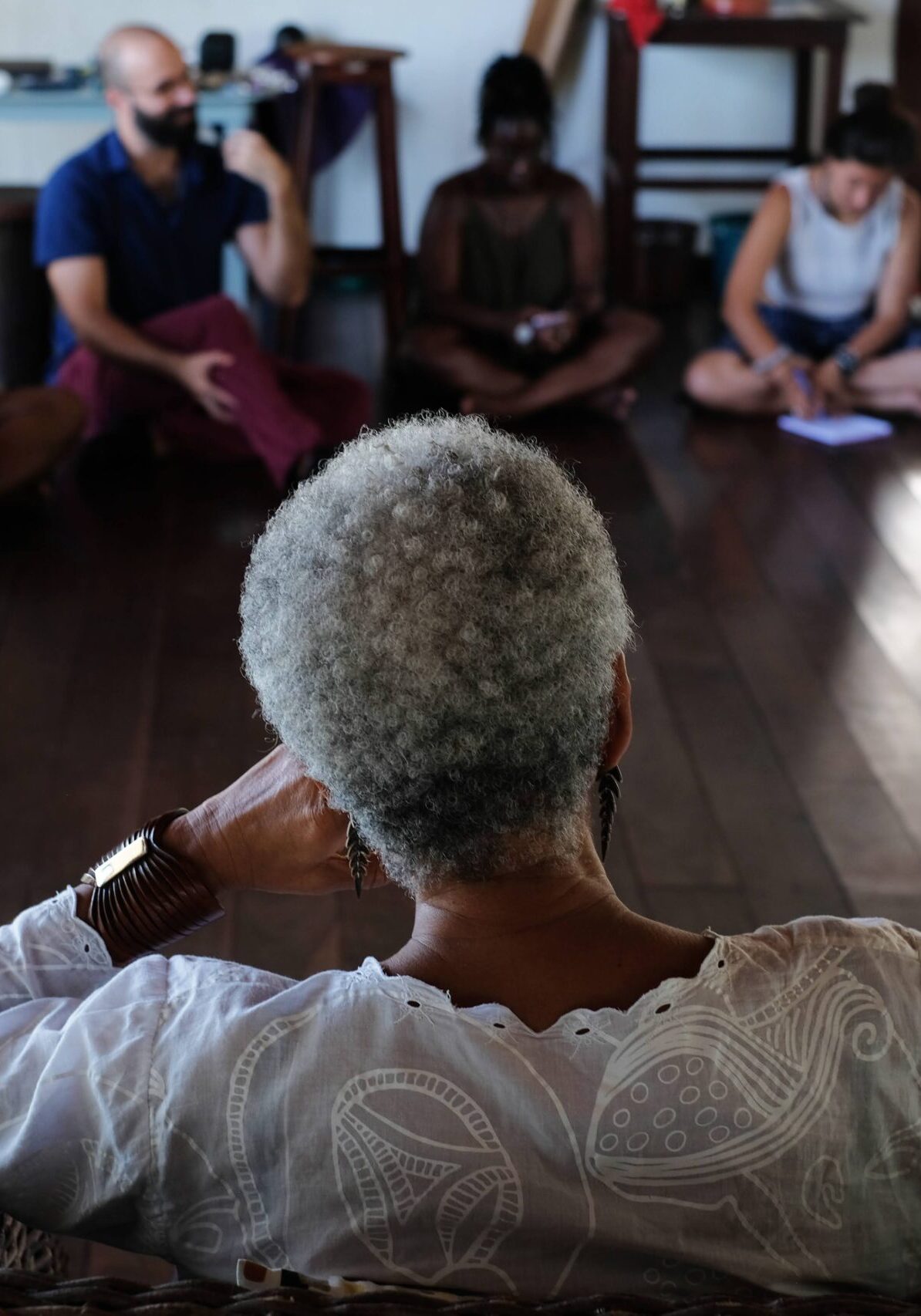
In addition to engaging with their individual projects and research, fellows will take part in weekly discussions, lectures and field trips to learn about African Bahian culture and experience how local artists, academics, and activists are addressing issues of race, gender, spirituality and environmental justice in their art and social practices.
The CBPA Graduate Artist Residency includes:
Artist Studio
(5-weeks)
Each graduate student will have their own artist studio to research and work on their proposed creative projects.
Collaborative Art-Making
(5-weeks)
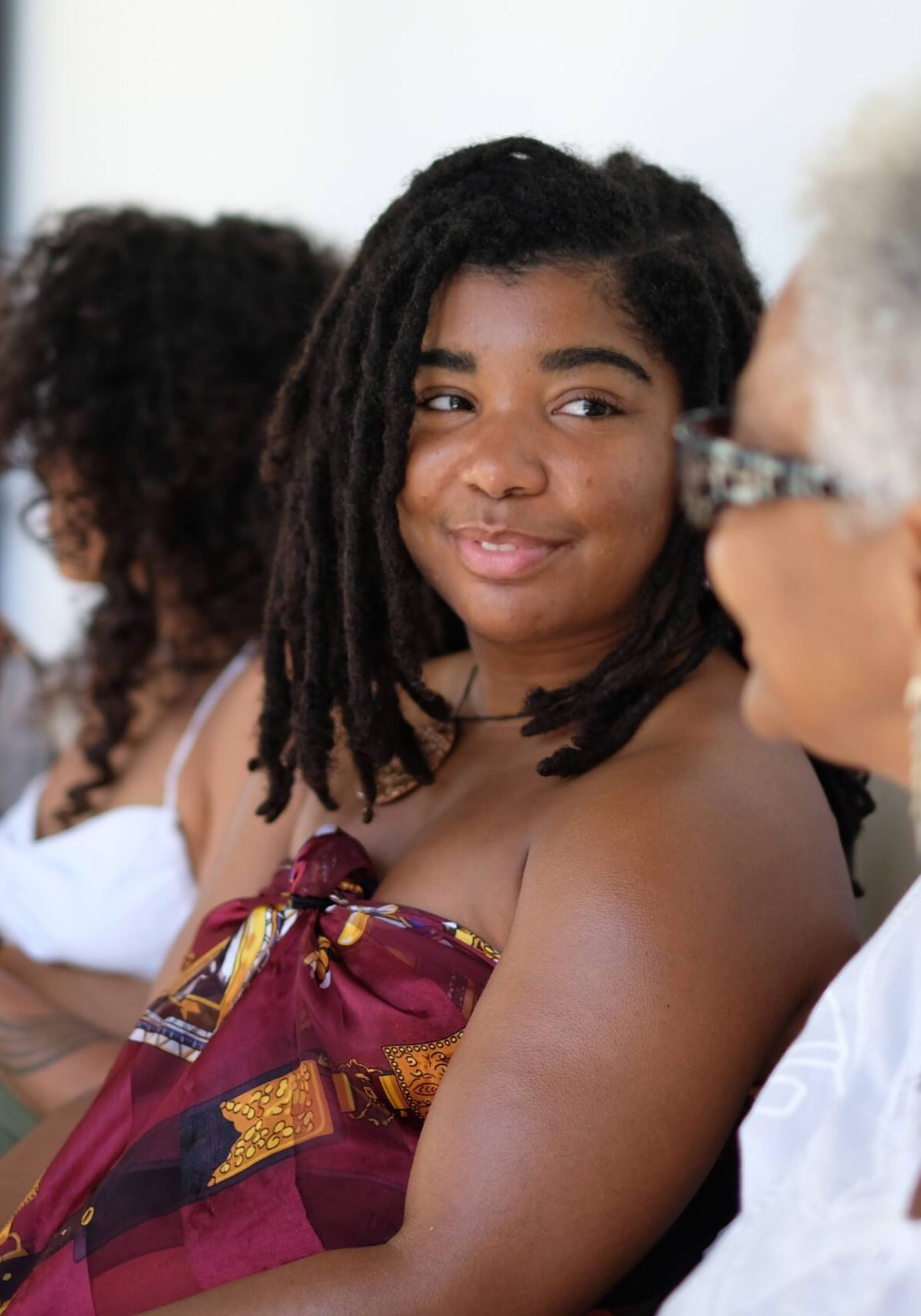
This fellowship is geared toward artists who are interested in disrupting the isolation of their art practice to engage in a collaborative learning experience, ongoing dialogues, and possible artistic collaboration with other fellows, local artists, and arts organizations in Bahia.
Program Components:
Travel to Brazil
(5 Weeks)
During this five-week program, Stanford graduate student artists will travel as a cohort to the state of Bahia, Brazil a country with the largest African descendant population outside of the African continent.
Artist Exchange
(5 weeks)
Stanford students will be joined in residency at Instituto Sacatar alongside one Brazilian artist to be in cross-cultural dialogue during this time.
Creative Practice
(5 weeks)
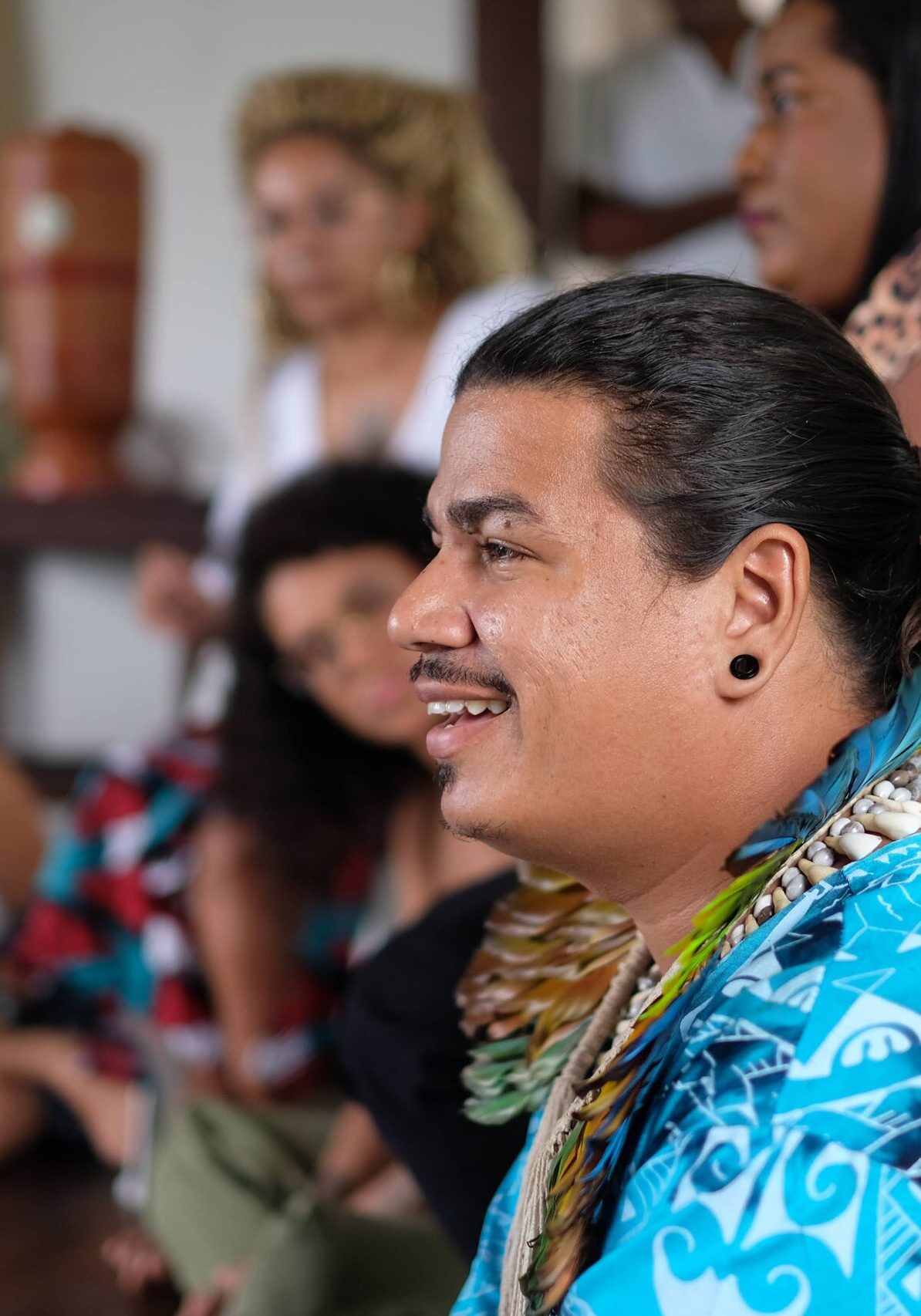
In addition to engaging with their individual projects and research, fellows will take part in weekly discussions, lectures and field trips to learn about African Bahian culture, and experience how local artists, academics, and activists are addressing issues of race, gender and environmental justice in their art and social practices.
Studio Space
(5 weeks)
Though each fellow will have their own studio to research and work on their proposed art projects, this fellowship is geared towards artists who are interested in disrupting the isolation of their art practice to engage in a collaborative learning experience, ongoing dialogues, and possible artistic collaboration with other fellows.