
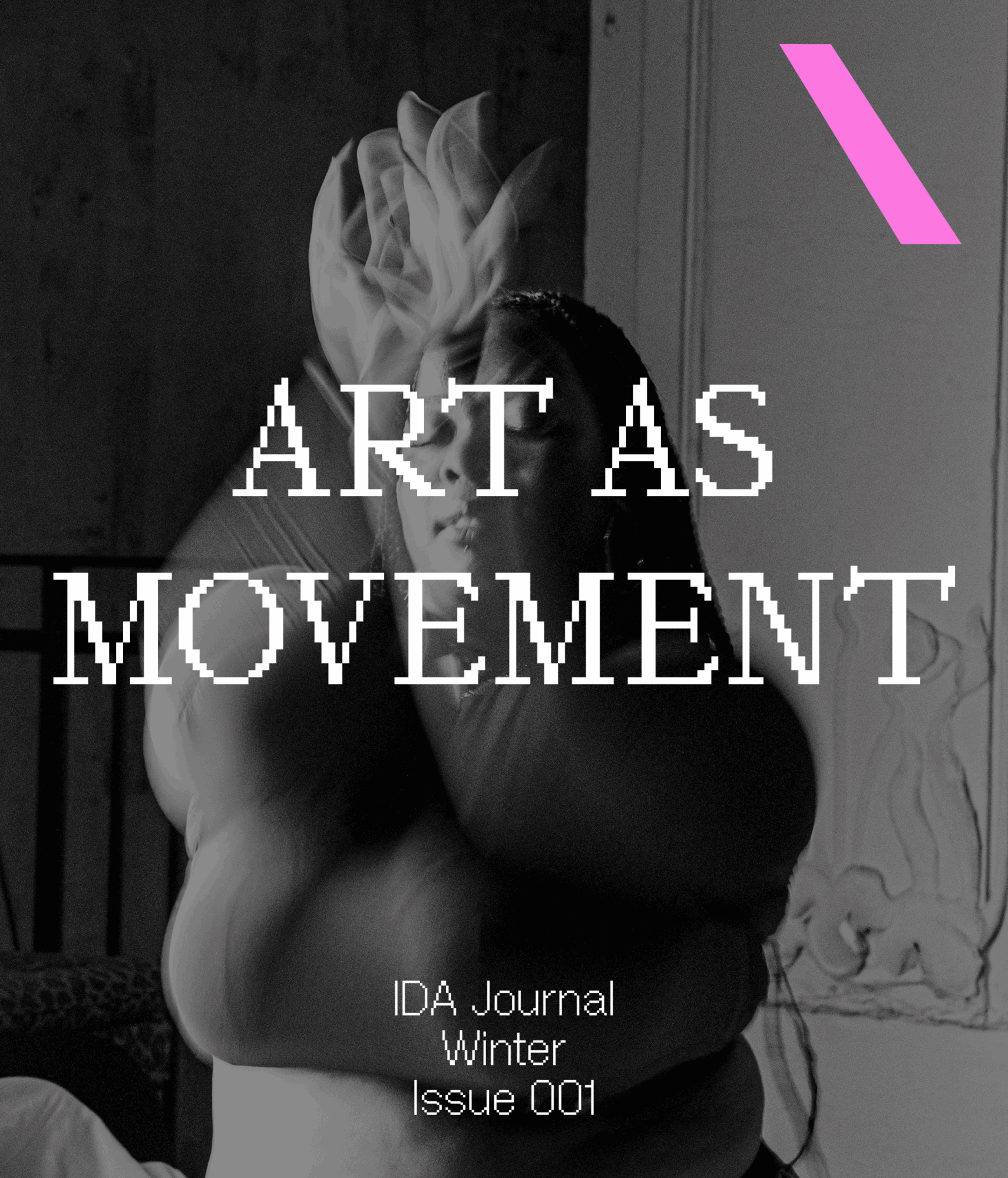
Welcome to the first-ever IDA Journal. Born from a desire to bridge the gap between practice and community, this quarterly publication serves as a home for artists and culture workers to share their vision. We begin our journey with the theme “Art as Movement.” Within these pages, students investigate the kinetic power of creativity: its ability to move people, propel social change, and reshape the world around us.
We are honored to showcase the brilliant work of: Alex Skoraczewski, Ameera Eshtewi, Angelica Ly, Aylee Wu, Cristian Sandoval, Estefany Mendoza Rodriguez, Haein Shim, and Sophie Szew.
Curated by: Song Wu, IDA Program Coordinator
⠀⠀⠀⠀⠀⠀⠀⠀⠀⢀⣀⣤⣤⣤⣀⡀⠀⠀⠀⠀⠀⠀⠀⠀⠀⠀⠀⠀⠀⠀
⠀⠀⠀⠀⠀⠀⠀⠀⣰⠟⠉⠀⠀⠉⠙⠻⣶⣄⠀⠀⠀⠀⠀⠀⠀⠀⠀⠀⠀⠀
⠀⠀⠀⠀⠀⠀⠀⠀⢏⠀⠈⠉⠲⣄⠀⠀⠈⢻⣦⠀⠀⠀⠀⠀⠀⠀⠀⠀⠀⠀
⠀⠀⠀⠀⠀⠀⠀⠀⠈⠂⠀⠀⠀⢹⡇⠀⠀⠀⠹⣷⡀⠀⠀⠀⠀⠀⠀⠀⠀⠀
⠀⠀⠀⠀⣀⣠⣤⣀⣀⣀⣀⣀⣠⣿⠃⠀⠀⠀⠀⠈⠻⣦⣀⠀⠀⠀⠀⠀⠀⠀
⠀⠀⠀⠀⠀⠀⠀⠈⠉⠛⠛⠛⠉⠀⠀⠀⠀⠀⠀⠀⠀⠀⠉⠉⠒⠒⠀⠀⠀⠀
war on water
By Ameera Eshtewi
Ameera Eshtewi is a Libyan-American poet and undergraduate student at Stanford University. Her work explores identity and diaspora, political violence, and memory. She writes to bear witness to life and the human condition. Eshtewi is also a member of Stanford’s Spoken Word Collective and has opened for Sarah Kay, Safia Elhillo, and Jamila Woods.
the faucet was leaking
echoing the muted rain
and the bullets that crept
across the sky
thinking they were invisible
but at least
onto the rusted basin
the faucet was leaking
in between the pitter-patter
the rain could be deciphered
and the bullet was almost acknowledged
so we prayed we would not
run out of water
⠀⠀⠀⠀⠀⠀⠀⠀⠀⠀⠀⠀⠀⠀⠀⠀⠀⠀⠀⠀⠀⠀⠀⠀⠀⠀⠀⠀⠀⠀
⠀⠀⠀⠀⠀⠀⠀⠀⠀⠀⠀⠀⠀⠀⢀⠀⢰⡄⠰⣤⣀⠀⠀⠀⠀⠀⠀⠀⠀⠀
⠀⠀⠀⠀⠀⠀⠀⠀⠀⠀⠀⠀⠀⢀⣾⠃⠸⣿⣦⡈⠻⣿⣦⣄⠀⠀⠀⠀⠀⠀
⠀⠀⠀⠀⠀⠀⠀⠀⠀⠀⠀⠀⢀⣾⠃⠀⠀⠹⣿⣿⣦⣈⠙⠻⣧⡀⠀⠀⠀⠀
⠀⠀⠀⠀⠀⠀⠀⠀⠀⠀⠀⢀⡾⠃⠀⠀⠀⠀⠈⠻⢿⣿⣿⣶⣿⣧⠀⠀⠀⠀
⠀⠀⠀⠀⠀⠀⠀⠀⠀⠀⢀⡾⠁⠀⠀⠀⠀⠀⠸⡆⠀⠈⠙⠛⠛⠛⠀⠀⠀⠀
⠀⠀⠀⠀⠀⠀⠀⠀⠀⢠⡿⠁⠀⠀⠀⠀⠀⠀⠀⣿⡀⠀⠀⠀⠀⠀⠀⠀⠀⠀
⠀⠀⠀⠀⠀⠀⠀⠀⣰⡟⠁⠀⠀⠀⠀⠀⠀⠀⠀⠸⣧⠀⠀⠀⠀⠀⠀⠀⠀⠀
⠀⠀⠀⢀⣤⣄⣀⣼⠏⠀⠀⠀⠀⠀⠀⠀⠀⠀⠀⠀⢻⡆⠀⠀⠀⠀⠀⠀⠀⠀
⠀⠀⢰⣿⣿⣿⣿⣷⣶⣶⡄⠀⠀⠀⠀⠀⠀⠀⠀⠀⠀⢿⡄⠀⠀⠀⠀⠀⠀⠀
⠀⠀⣿⣿⣿⣿⣿⣿⣿⣿⡿⠀⠀⠀⠀⠀⠀⠀⠀⠀⣀⣈⣿⣤⣶⣷⣦⠀⠀⠀
⠀⠀⠹⣿⣿⣿⣿⣿⣿⣿⠃⠀⠀⠀⠀⠀⠀⠀⠀⣼⣿⣿⣿⣿⣿⣿⣿⣇⠀⠀
⠀⠀⠀⠈⠻⠿⠿⠿⠛⠁⠀⠀⠀⠀⠀⠀⠀⠀⠀⢹⣿⣿⣿⣿⣿⣿⣿⣿⠀⠀
⠀⠀⠀⠀⠀⠀⠀⠀⠀⠀⠀⠀⠀⠀⠀⠀⠀⠀⠀⠀⠻⣿⣿⣿⣿⣿⡿⠃⠀⠀
⠀⠀⠀⠀⠀⠀⠀⠀⠀⠀⠀⠀⠀⠀⠀⠀⠀⠀⠀⠀⠀⠀⠉⠙⠉⠉⠀⠀⠀⠀
I Talk to My Fruit
By Aylee Wu
Aylee Wu (they/them) likes cooking spicy food, crocheting stuffed animals for friends, and working for the A3C. They are a senior studying Electrical Engineering, but loves studying visual arts in their free time. They also write poetry sometimes!
Do you know those shows with those talking fruit,
Annoying Orange, Veggie Tales, Doodlands…?
Picking the ripe tomatoes, lifting the heavy watermelon,
and holding the plum soundly in my hand, eyeing its body gently,
like in television, I feel fruit alive, heart beating, staring back at me.
I feel this way about cigarette smoke.
In the dark, I feel the light cig between my fingers, ash falling slowly.
The curves of the smoke twisting, turning, twirling into tidal waves to the moon,
It’s warm scent curls and holds my hands loosely and softly – like an embrace
Gently, I feel safe, a scent of my grandmother’s home, ancient and savory.
My grandmother smoked packs, drenched in cigarette smoke and ashy bits.
After swallowing a pack, she’d clear it down with a beer like mouthwash.
Blind, she could only touch, smell, and hear –
She could hold my hand, smoke a cig, and count money faster than anyone.
An unhealthy woman, lungs made of steel, and a heart made of stone.
I see my grandmother through fruit sometimes.
The way her sun-dried fingers ripped the carmine skin off lychees,
The crunch of her few-left teeth barely biting the sour cherries,
How her bowl of dates crinkle in the sun near the hung-dry laundry,
How she reaches for a banana, unknowingly, that isn’t there.
Like my grandmother, I wonder if I’m blind too.
When I look in the mirror, I see nothing but her, living inside me.
dead inside me, an american body, like a root that’s unwatered and unkept.
A basket of apples in the corner of a hospital room, untouched,
rotting with no bite, no tough skin, no hard core.
We could never afford to visit her across the world. First,
It was five years, then every ten, then every twenty.
I’d come back five inches taller, a voice few hertz deeper,
and she’d stay the same – sitting in a wheelchair, waiting for us.
She only ever waited for us,
for our twisting of the door knob,
for our footsteps,
so obediently, so patiently.
She disappeared like the smoke and ashed away faster
than I could breathe in –
When I stare into the moon, her warmth escapes me.
And the fruit in my basin, they talk to me.
I hear her voice. I feel her skin. It tastes sweet.
Imagine never seeing what your own grandchild looks like.
She could only feel the texture of my hands,
The weight of my breath,
The muffled sounds of my voice,
The presence of my stance, I stand tall –
If only she could see me now.
She loved the sweetness of a cherry,
But even at the age of 50, diabetic, poor, blind, deaf…
Sweetness, kindness, sensing anything –
was impossible.
How can something so sweet, like fruit, be nothing?
I wonder if they talked to her.
I wonder if she could taste through her touch.
I wonder if she could see through her smell.
I wonder if she could love through her darkness?
I wonder how she could love someone so deeply
without being able to experience that someone at all?
I wonder what it takes, to lose all mind and sight,
to see her dream come true?
Yeah, I talk to my fruit sometimes, in hopes
of understanding something.
Indulging in cigarette smoke to imagine her
next to me.
holding my hand.
staring into her eyes,
which she never showed me.
⠀⠀⠀⠀⠀⠀⠀⠀⠀⢀⣀⣀⡀⠒⠒⠦⣄⡀⠀⠀⠀⠀⠀⠀⠀
⠀⠀⠀⠀⠀⢀⣤⣶⡾⠿⠿⠿⠿⣿⣿⣶⣦⣄⠙⠷⣤⡀⠀⠀⠀⠀
⠀⠀⠀⣠⡾⠛⠉⠀⠀⠀⠀⠀⠀⠀⠈⠙⠻⣿⣷⣄⠘⢿⡄⠀⠀⠀
⠀⢀⡾⠋⠀⠀⠀⠀⠀⠀⠀⠀⠐⠂⠠⢄⡀⠈⢿⣿⣧⠈⢿⡄⠀⠀
⢀⠏⠀⠀⠀⢀⠄⣀⣴⣾⠿⠛⠛⠛⠷⣦⡙⢦⠀⢻⣿⡆⠘⡇⠀⠀
⠀⠀⠀⠀⡐⢁⣴⡿⠋⢀⠠⣠⠤⠒⠲⡜⣧⢸⠄⢸⣿⡇⠀⡇
⠀⠀⠀⡼⠀⣾⡿⠁⣠⢃⡞⢁⢔⣆⠔⣰⠏⡼⠀⣸⣿⠃⢸⠃⠀⠀
⠀⠀⢰⡇⢸⣿⡇⠀⡇⢸⡇⣇⣀⣠⠔⠫⠊⠀⣰⣿⠏⡠⠃⠀⠀⢀
⠀⠀⢸⡇⠸⣿⣷⠀⢳⡈⢿⣦⣀⣀⣀⣠⣴⣾⠟⠁⠀⠀⠀⠀⢀⡎
⠀⠀⠘⣷⠀⢻⣿⣧⠀⠙⠢⠌⢉⣛⠛⠋⠉⠀⠀⠀⠀⠀⠀⣠⠎⠀
⠀⠀⠀⠹⣧⡀⠻⣿⣷⣄⡀⠀⠀⠀⠀⠀⠀⠀⠀⠀⢀⣠⡾⠃⠀⠀
⠀⠀⠀⠀⠈⠻⣤⡈⠻⢿⣿⣷⣦⣤⣤⣤⣤⣤⣴⡾⠛⠉⠀⠀⠀⠀
⠀⠀⠀⠀⠀⠀⠈⠙⠶⢤⣈⣉⠛⠛⠛⠛⠋⠉⠀⠀⠀⠀⠀⠀⠀⠀
⠀⠀⠀⠀⠀⠀⠀⠀⠀⠀⠀⠀⠉⠉⠉⠁⠀⠀⠀⠀⠀⠀⠀⠀⠀⠀
It’s Messy Like Fingerpainting
By Estefany Mendoza Rodriguez
Estefany M.R. is a senior studying Comparative Studies in Race and Ethnicity. She writes poetry, short literary fiction stories, and occasionally paints when words fail her. She calls both Mexico and Texas home and takes inspiration from both in her work. Most of all, she’s inspired by the people in her communities from both places and now the Bay Area. Through her writing she likes to explore topics like her faith, the histories of her communities, and love in its many forms. In her free time she likes to read literary fiction, dystopian novels, historical nonfiction, and rereads her favorite poems.
A dance between two hearts
can quickly devolve into missteps
with no way of retracing
it’s messy like fingerpainting
two aspiring artists
childlike confidence and conviction
almost naive
with dreams of making the next Monet
but their tools lack control
one line, a dot, a curve, and then the next by the other
obliviously trapping each other between amateur swipes
neither capable of escaping
the strokes become blurred lines
and eventually
both give up
call it good enough
their hope appraises the work with grace
their minds belittle each misaligned streak
and their paint-splotched hands hold all the
evidence
of a dance once sweet
⠀⠀⠀⠀⠀⢀⣴⣾⣿⣶⣤⠀⠀⠀⠀⠀⠀⠀⠀⠀⠀⠀⠀⠀⠀⠀⠀⠀⠀⠀⠀⠀⠀
⠀⠀⠀⠀⠀⠸⣿⣿⣿⣿⣿⠆⠀⠀⠀⠀⠀⠀⠀⠀⠀⠀⠀⠀⠀⠀⠀⠀⠀⠀⠀⠀⠀
⠀⠀⠀⠀⠀⠘⣿⣿⣿⣿⣟⠀⠀⠀⠀⠀⠀⠀⠀⠀⠀⠀⠀⠀⠀⠀⠀⠀⠀⠀⠀⠀⠀
⠀⠀⠀⠀⠀⠀⠉⣹⣿⣿⣿⣇⠀⠀⠀⠀⠀⠀⠀⠀⠀⠀⠀⠀⠀⠀⠀⠀⠀⠀⠀⠀⠀
⠀⠀⠀⠀⠀⠀⣰⣿⣿⣿⣿⣿⡆⠀⠀⠀⠀⠀⠀⠀⠀⠀⠀⠀⠀⠀⠀⠀⠀⠀⠀⠀⠀
⠀⠀⠀⠀⠀⢰⣿⣿⣿⣿⣿⣿⡇⠀⠀⠀⠀⠀⠀⠀⠀⠀⠀⠀⠀⠀⠀⠀⠀⠀⠀⠀⠀
⠀⠀⠀⠀⠀⢸⣿⣿⣿⣿⣿⣿⡇⠀⠀⠀⠀⠀⠀⠀⠀⠀⠀⠀⠀⠀⠀⠀⠀⠀⠀⠀⠀
⠀⠀⠀⠀⠀⢸⣿⣿⣿⣿⣿⣿⣧⠀⠀⠀⠀⠀⠀⠀⠀⠀⠀⠀⠀⠀⠀⠀⠀⠀⠀⠀⠀
⠀⠀⠀⠀⠀⢸⣿⣿⣿⣿⣿⣿⡇⠀⠀⠀⠀⠀⠀⠀⠀⠀⠀⠀⠀⠀⠀⠀⠀⠀⠀⠀⠀
⠀⠀⠀⠀⠀⢻⣿⣿⣿⣿⣿⣿⠃⠀⠀⠀⠀⠀⠀⠀⠀⠀⠀⠀⠀⠀⠀⠀⠀⠀⠀⠀⠀
⠀⠀⠀⠀⠀⣠⣿⣿⣿⣿⣿⣿⡇⠀⠀⠀⠀⠀⠀⠀⠀⠀⠀⠀⠀⠀⠀⠀⠀⠀⠀⠀⠀
⠀⠀⠀⠀⣼⣿⣿⣿⣿⣿⣿⣿⠇⠀⠀⠀⠀⠀⠀⠀⠀⠀⠀⠀⠀⠀⠀⠀⠀⠀⠀⠀⠀
⠀⠀⠀⠀⢿⢿⣿⣿⣿⣿⣿⡏⠀⠀⠀⠀⠀⠀⠀⠀⠀⠀⠀⠀⠀⠀⠀⠀⠀⠀⠀⠀⠀
⠀⠀⠀⠀⠀⢸⣿⣿⣿⣿⣿⠇⠀⠀⠀⠀⠀⠀⠀⠀⠀⠀⠀⠀⠀⠀⠀⠀⠀⠀⠀⠀⠀
⠀⠀⠀⠀⠀⠀⣿⣿⣿⣿⡿⠀⠀⠀⠀⠀⠀⠀⠀⠀⠀⠀⠀⠀⠀⠀⠀⠀⠀⠀⠀⠀⠀
⠀⠀⠀⠀⠀⠸⣿⣿⣿⣿⣥⣀⠀⠀⠀⠀⠀⠀⠀⠀⠀⠀⠀⠀⠀⠀⠀⠀⠀⠀⠀⠀⠀
⠀⠀⠀⠀⠀⠀⣿⣿⣿⣿⣿⣿⣷⣄⠀⠀⠀⠀⠀⠀⠀⠀⠀⠀⠀⠀⠀⠀⠀⠀⠀⠀⠀
⠀⠀⠀⠀⠀⠀⣿⣿⣿⣿⠿⣿⣿⣿⣷⣄⠀⠀⠀⠀⠀⠀⠀⠀⠀⠀⠀⠀⠀⠀⠀⠀⠀
⠀⠀⠀⠀⠀⠀⣿⣿⣿⡛⠀⠈⢻⣿⣿⣿⣦⡀⠀⠀⠀⠀⠀⠀⠀⠀⠀⠀⠀⠀⠀⠀⠀
⠀⠀⠀⠀⠀⢰⣿⣿⣿⡅⠀⠀⠀⠛⣿⣿⣿⣿⣄⡀⠀⠀⠀⠀⠀⠀⠀⠀⠀⠀⠀⠀⠀
⠀⠀⠀⠀⢠⣿⣿⣿⣏⡀⠀⠀⠀⠈⠛⣿⣿⣿⠟⠁⠀⠀⠀⠀⠀⠀⠀⠀⠀⠀⠀⠀⠀
⢀⣤⣤⣴⣿⣿⣿⣿⡿⢍⡉⢉⠉⢉⡽⣿⣿⣿⠉⢉⠉⣉⣩⠯⢍⣉⠉⣉⠉⡉⢉⡉⠙
⠀⠛⠛⠛⠛⠙⠛⠟⡇⡇⣦⣱⢉⢺⣑⣉⣏⢌⣏⠦⣿⢰⢸⢀⣺⡱⣋⠲⡁⣦⣵⢹⠠
⠀⠀⠀⠀⠀⠀⠀⠀⡇⠈⠉⠁⠁⠁⠈⠀⠉⠀⠀⠈⢙⣲⢚⠉⠀⠀⠈⠉⠉⠁⠉⠁⠀
An Ode to My First Cane
By Alex Skoraczewski
Alex Skoraczewski is a senior studying mathematics at Stanford University. Their work focuses on themes of queer and disabled embodiment, joy, and survival. In their free time, Alex enjoys reading long fantasy novels, going for walks near large bodies of water, and writing short blurbs about themself in the third person.
i bought a cane last week
on amazon, yes, i know
but it cost an hour of my labor
and five minutes to swallow my internalized shame
and that was all i could spare
it came in the mail today,
shiny and folded in thirds
i pieced it together, clicking each piece
into place like vertebrae
holding me up
and i took my first steps
i feel like i can breathe again
this cane and i, we know a few things
we know that my pain is enough
and to want to walk free is enough
we know prying eyes and prying questions
follow those of us young people
with bodies that come with extra pieces
we know that the cane will live in my closet
it will not leave my room when i do
hoping that i can outrun the pain in my back
and hips and knees and ankles
we know that i am many things
i am strong, and resilient, and smart
but i am not brave
my new cane, which cost an hour of labor
and five minutes of shame,
will remain in my closet, patiently and kindly
waiting for me to be brave
⠀⠀⠀⠀⠀⠀⠀⠀⠀⠀⠀⠀⠀⠀⠀⠀⠀⠀⠀⡀⠄⠀⠄⢀⠀⠀⠀⠀
⠀⠀⠀⠀⠀⠀⠀⠀⠀⠀⠀⠀⠀⠀⠀⠀⠀⠀⠊⠀⡀⠀⠀⠀⢂⠀⠀⠀
⠀⠀⠀⠀⠀⠀⠀⠀⠀⠀⠀⠀⠀⠀⠀⠀⠒⢴⠀⠘⢛⠀⠀⠀⠀⠀⠀⠀
⠀⠀⠀⠀⠀⠀⠀⠀⢀⡤⠤⣀⠰⠀⠀⢠⡄⠸⠉⠐⠁⠀⠀⠀⢠⠀⠀⠀
⠀⠀⠀⠀⠀⠀⠀⢠⡏⠀⢀⡌⣧⠀⠀⠈⠊⠀⠀⠀⠀⠀⠀⢀⠂⠀⠀⠀
⠀⠀⠀⠀⠀⠀⠀⠘⣇⠀⠈⠈⠁⠣⢀⠀⠀⠀⠀⠀⠀⡠⠐⠁⠀⠀⠀⠀
⠀⠀⠀⠀⠀⠀⠀⠀⠘⣣⠀⠀⠀⠀⢀⢩⡷⠶⠞⠛⠻⢷⣄⠀⠀⠀⠀⠀
⠀⠀⠀⠀⠀⠀⠀⠀⠀⠘⡀⠀⢀⡴⠓⠀⠀⠀⠀⠀⠀⠀⢸⡆⠀⠀⠲⣦
⠀⠀⠔⠋⠉⠑⡆⠀⠀⠀⣷⡴⠋⠀⠀⠀⠀⠀⠀⡋⠃⠀⢰⣧⢄⡀⢴⠏
⠀⠘⡀⠀⠘⠓⠂⠀⠀⢀⡟⠁⠀⠀⠀⠀⠀⠀⠀⠉⠓⠃⠁⠀⠀⠈⠀⠀
⠀⠀⠙⠦⢀⣀⠀⠀⣴⣿⠟⠃⠈⠉⠛⠢⡀⠀⠀⠀⠀⠀⠀⠀⠀⠀⠀⠀
⠀⠀⠀⠀⠀⠀⠀⢀⣾⠃⠀⠀⡠⢶⡄⠀⢸⠀⠀⠀⠀⠀⠀⠀⠀⠀⠀⠀
⠀⠀⠀⠀⠀⠀⢠⡟⢉⠀⠀⠀⠳⣀⣀⡠⠎⠀⠀⠀⠀⠀⠀⠀⠀⠀⠀⠀
⠀⠀⠀⠀⠀⢠⠛⠀⠈⠀⠀⠀⠀⠀⠁⠀⠀⠀⠀⠀⠀⠀⠀⠀⠀⠀⠀⠀
⠀⠀⠀⠀⠀⣴⠃⠀⠀⣈⣀⠀⠀⢀⡤⠢⡀⠀⠀⢀⠀⠀⠀⠀⠀⠀⠀⠀
⠀⠀⠀⠀⠀⢿⡀⠀⢸⡁⣄⣳⣄⠈⠚⠂⣸⣴⠉⠁⠉⢆⠀⠀⠀⠀⠀⠀
⠀⠀⠀⠀⠀⠈⠢⠄⣀⣉⡿⠋⡿⣿⡒⠘⠁⠙⠼⠇⠀⡸⠀⠀⠀⠀⠀⠀
⠀⠀⠀⠀⠀⠀⠀⠀⠉⠁⠀⠰⡇⠈⠻⠶⣄⣀⣀⣠⠴⠁⠀⠀⠀⠀⠀⠀⠀⠀⠀⠀⠀⠀⠀⠀⠀⠀⠀⠀⠀⠀⠀⠀⠀⠀⠀
BodyMind
By Sophie Szew
Sophie Szew (she/they) seeks to create new words to create new worlds. She writes poetry about disabled life, and loves playing around with movement, choreography, and sound. They are currently a coterm at the graduate school of education and works in community partnerships and advocacy.
Sections in Italics are direct quotes from the work of poet, activist, and movement elder Aurora Levins Morales
I mind when people talk about “human learning and performance”
as if we can sell them separately.
Genetic research exists within a neurotoxic ecosystem created by sexism, racism, economic
inequality and corporate greed, in which our genetic
makeup is altered by pressures that extend far beyond the lab, and also frame
what goes on within it. If we can
learn how to perform in our genes, we can perform learning.
My body is trained to perform
Poetry and ribbon routines and Torah tropes and awakeness
But my genes ripped when they snagged the corner of the womb
Where my connective tissues are still cobwebbed
And their dust still cleaves to the neurotoxins to
Make sure I can perform learning, but never learn to perform.
I embody the metaphor of the mishkan, and learn
how to cultivate a space, a life, a body that is a reliable container
for sacred intensity, not a holding
tank for trauma.
The mishkan is purified with the oil of holy decolonization.
It’s too softly, softly slippery for the uncripped grip of pathologies
That mold bodies into the shape of special or dangerous or criminalized or included.
My mind slips through my tissueless skull sometimes
And I remember that the mishkan that occupies my walk to class
Will slip through the skull of visibility this Shabbat.
It will live to be 120 like our crippled prophet Moses
Whose tongue is the smoke arising from the
Construction site of the new mishkan: a poem still in the works.
I mind when people forget that
Someone had to begin the work of destroying this room and building a mishkan from
Its ashes and ashes and dust and dust and ugly and ugly and ugly laws.
Most of what I read about epilepsy seeks its genetic roots,
preferring to zoom in to the molecular structures of DNA, but my father,
a world renown evolutionary biologist, always said “the truth
is the whole.”
My body seizes and seizes and seizes the opportunity–
the privilege!
Of existing in a space I am allowed to
Occupy
Because the crip camp crabs infested the capitol building
And I wish they would infest this uncrip guilt too.
I embody visual snow termites warming the prayers;
The yeast in the challah dough of the sticky dimmed lighting
As papi and I say the ve’ahvta: Escalate your dreams. / Make them
burn so fiercely that you can follow them down / any dark / alleyway of
history and not lose your way. / Make them burn clear as a starry drinking gourd / Over the
grim fog of exhaustion, and keep walking. / Hold hands. Share water. Keep imagining. / So that
we, and the children of our children’s children / may live.”
My mind pokes holes in dreams and
I jump inside and find myself upright in bed praying modeh ani
Chewing on the taught meltiness of the metal bombilla in my mate–
Same difference
Mobile or not, located or not, conscious or not, special or not, free or not
All I know is that inside those holes I learn from the poet in the time war
And the new mishkan is whole because
I mind
My body
I embody
My mind
*Note: This poem has been reformatted from its original to be mobile friendly. To see the original format of the poem please visit here.
⊹ ﹏𓊝﹏𓂁﹏⊹ ˖⊹ ﹏𓊝﹏𓂁﹏⊹ ˖⊹ ﹏𓊝﹏𓂁﹏⊹ ˖⊹ ﹏𓊝﹏𓂁﹏⊹ ˖⊹ ﹏𓊝﹏𓂁﹏⊹ ˖
The Photography of Haein Shim
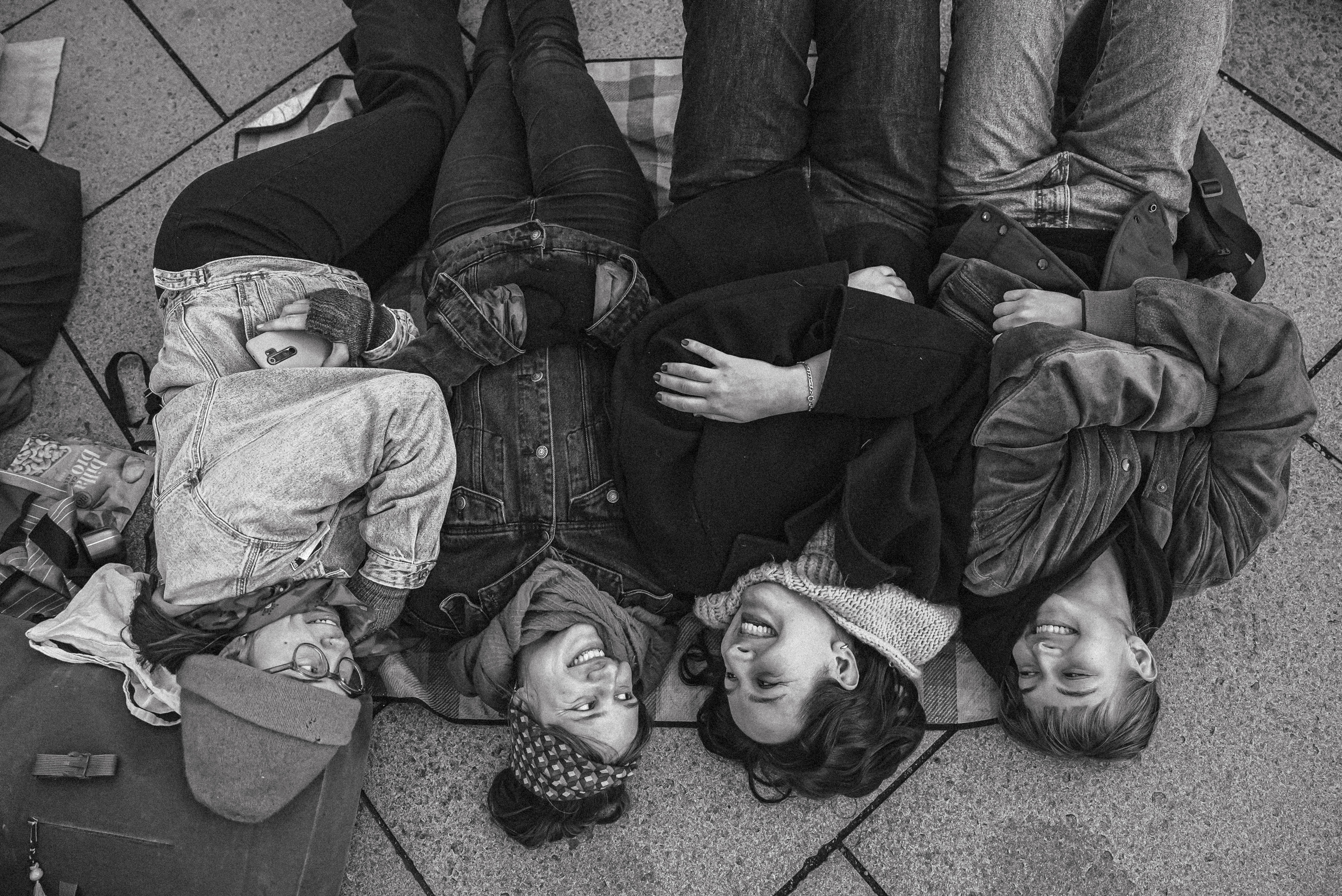
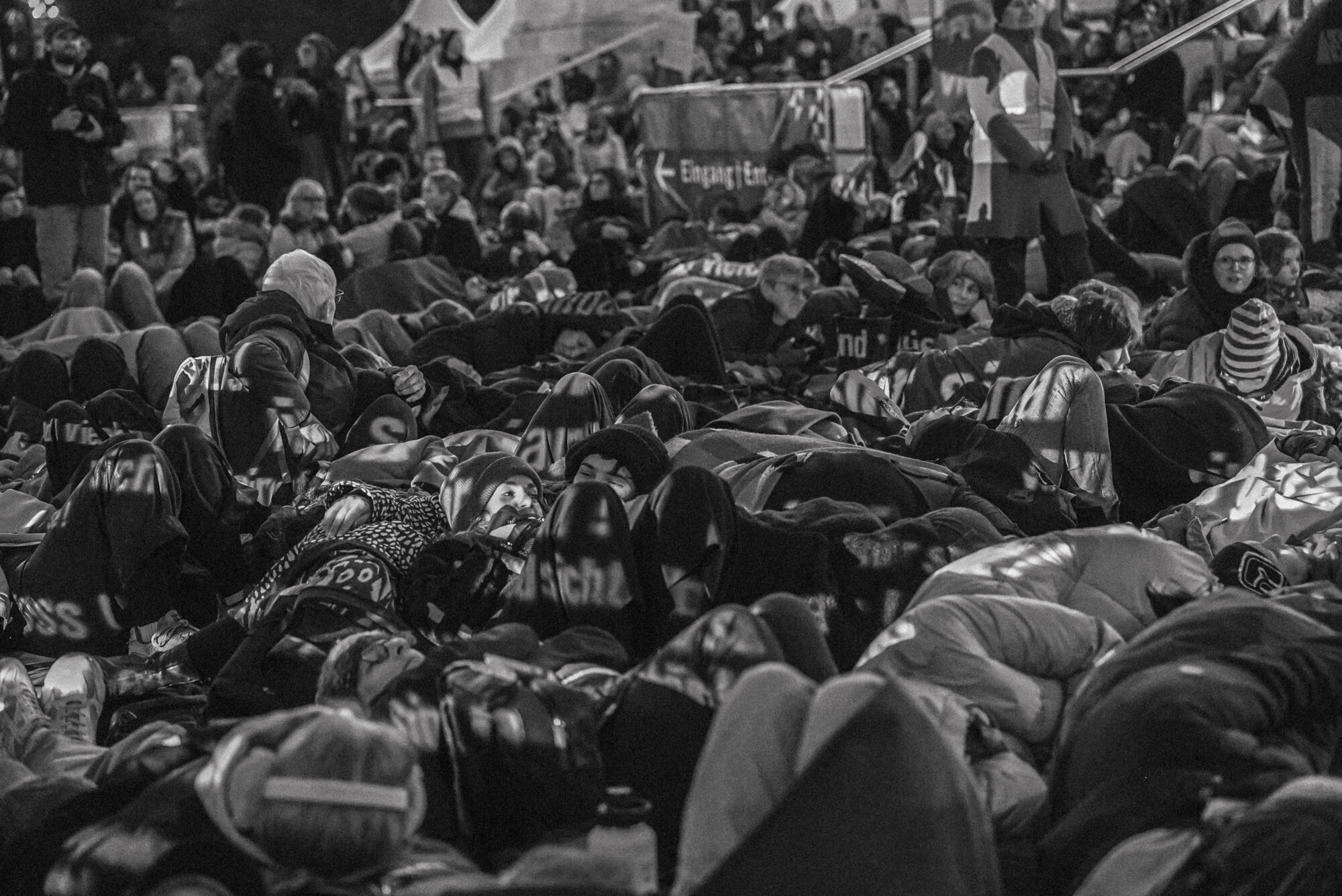
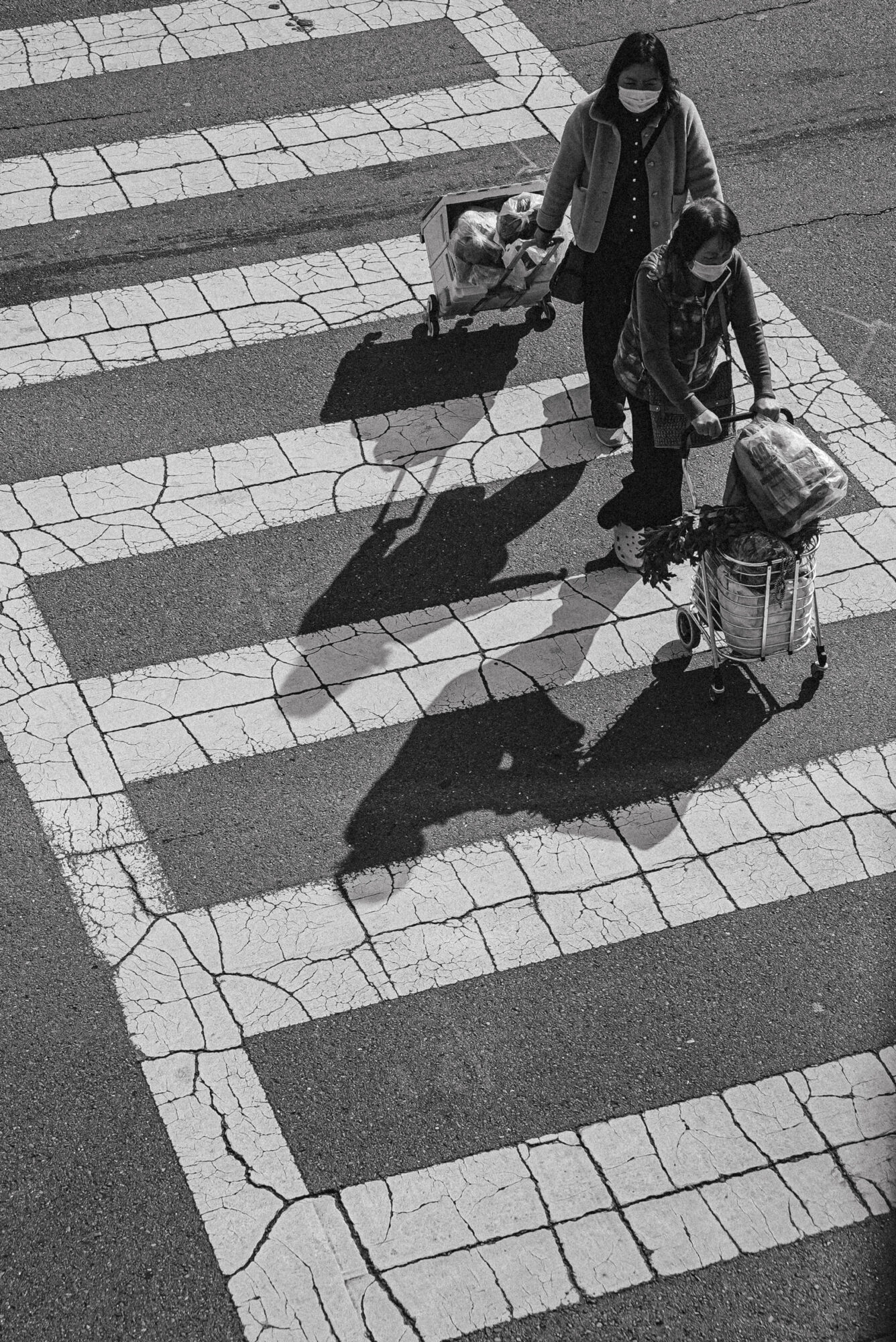
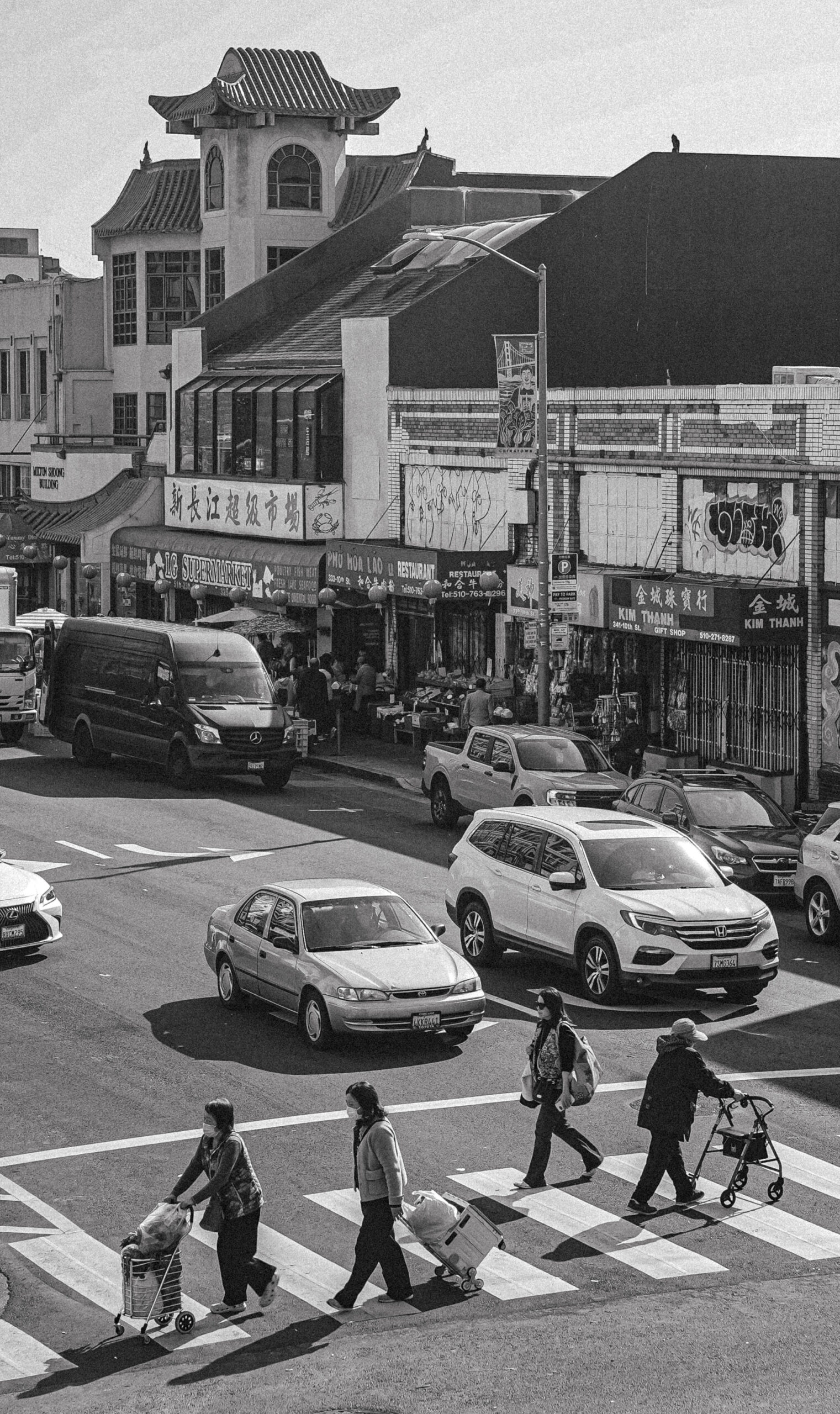
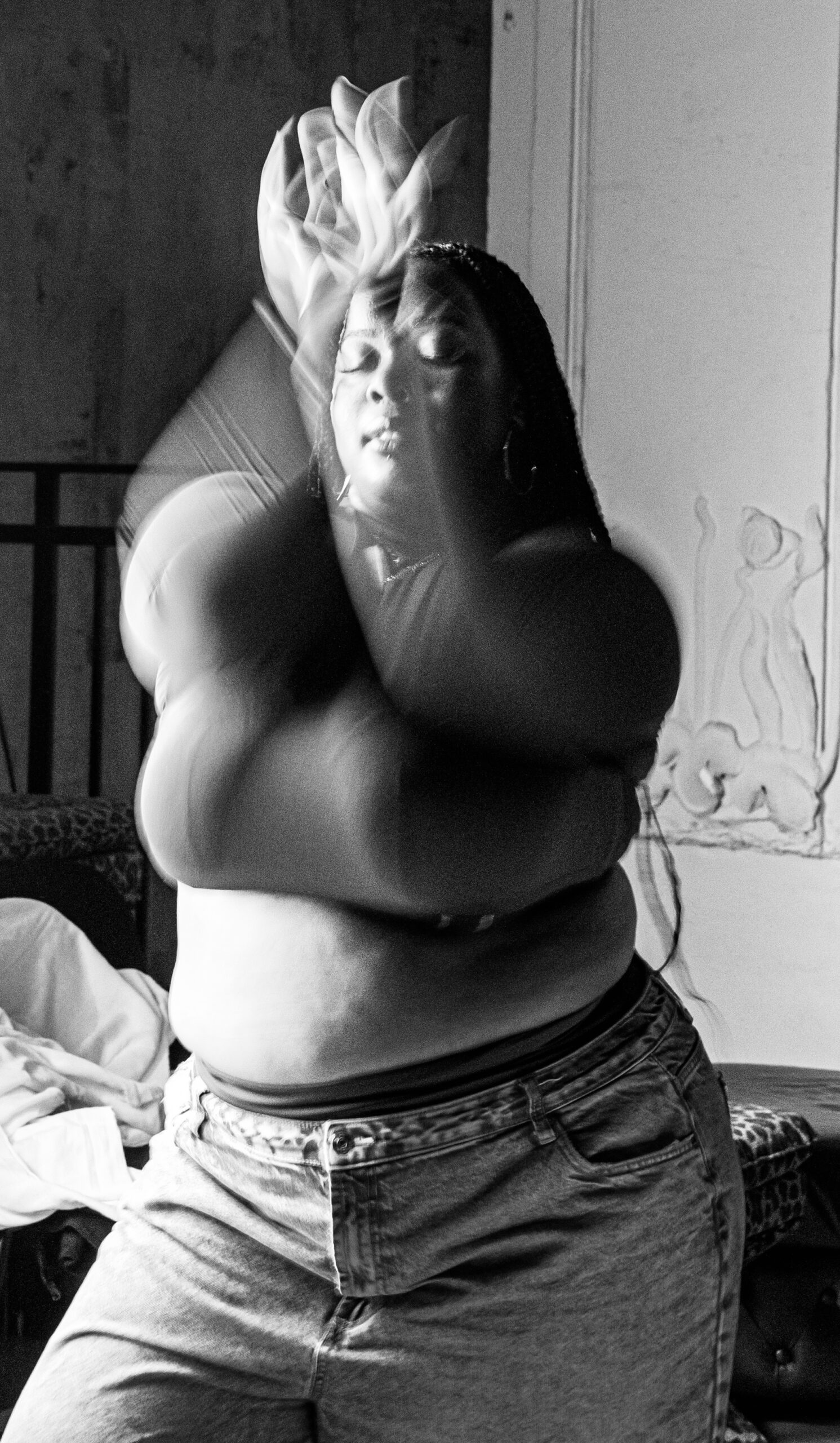
About Haein Shim
Haein Shim is a purpose-driven activist, documentary producer, freelance journalist, and photojournalist, deeply committed to women’s rights and to pursuing truth through the power of visual storytelling rooted in social justice. She has collaborated with numerous international media outlets, including TIME, The Economist, NPR, and Vice, and has published more than 50 articles worldwide. Leading global news platforms such as CNN, The Guardian, and Al Jazeera English have interviewed Shim on women’s rights issues in South Korea. She bridges her passion for social justice with visual storytelling in practice.
Movement carries light, hope, and care. I wanted to create space for a continuing conversation about collective consciousness, what it means to be in the movement through the living of everyday life: feeding loved ones, existing, taking up space. My work focuses on everyday people who create change; those who live with intention and resilience, by loving their community, and by loving themselves.
Haein shim
The Interdisciplinary Art of Angelica Ly
About Angelica Ly
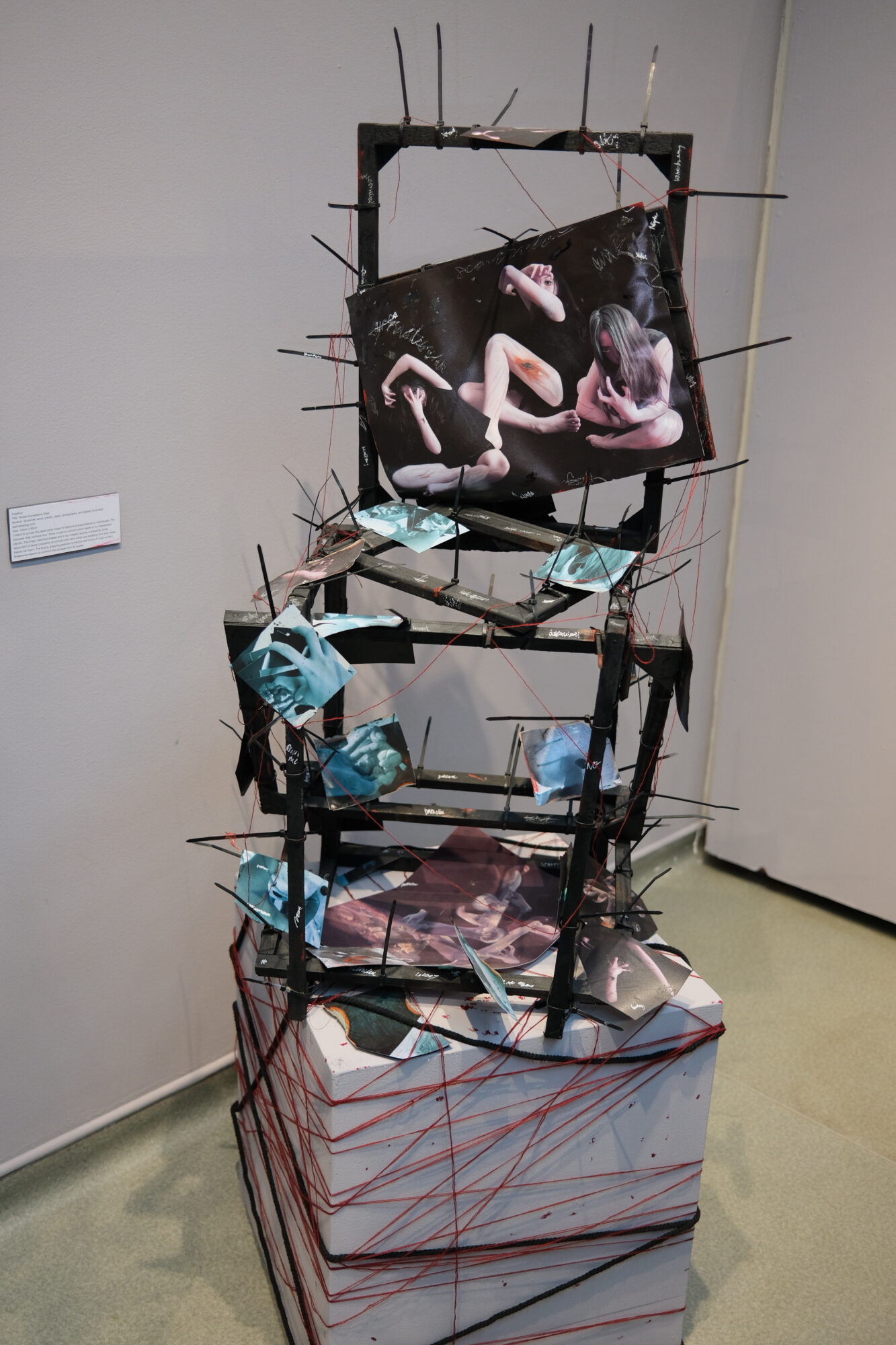
Angelica Ly is a Stanford University student and creator whose work operates at the intersection of Mechanical Engineering and visceral, interdisciplinary art to explore the gravity of human connection. As a designer and engineer, she is driven by a passion for crafting immersive experiences that bridge technical precision with the raw, emotional narratives of the human condition. Drawing from her background in Phnom Penh, Cambodia, her practice investigates the “movement” of identity, cultural rumors, and environmental decay. She masterfully bridges the gap between technical precision and raw emotionality, often repurposing household objects, like a thrifted briefcase or a fractured chair, to explore the erosion of self-identity under societal scrutiny.
Angelica’s aesthetic is defined by a “grotesque, bumpy, and corrugated” materiality. She is known for her experimental use of ash, wire, and decaying foam to create biomorphic forms that evoke a haunting sense of vulnerability. Whether she is documenting the environmental scars of industrialization in Tangled Ash Remains or the suffocating weight of social media addiction in Tethered Identity, her work captures a sense of “chaotic momentum”.
Her process is deeply influenced by the concepts of destruction and renewal. By juxtaposing sharp, metallic textures with soft, translucent fabrics, she forces the viewer into an uncomfortable confrontation with their own actions and the “scars” left by modernization. Angelica views art as a vehicle for catharsis and a means to transform complex, invisible anxieties into tangible, immersive experiences that challenge the boundaries between reality and the perceived self.
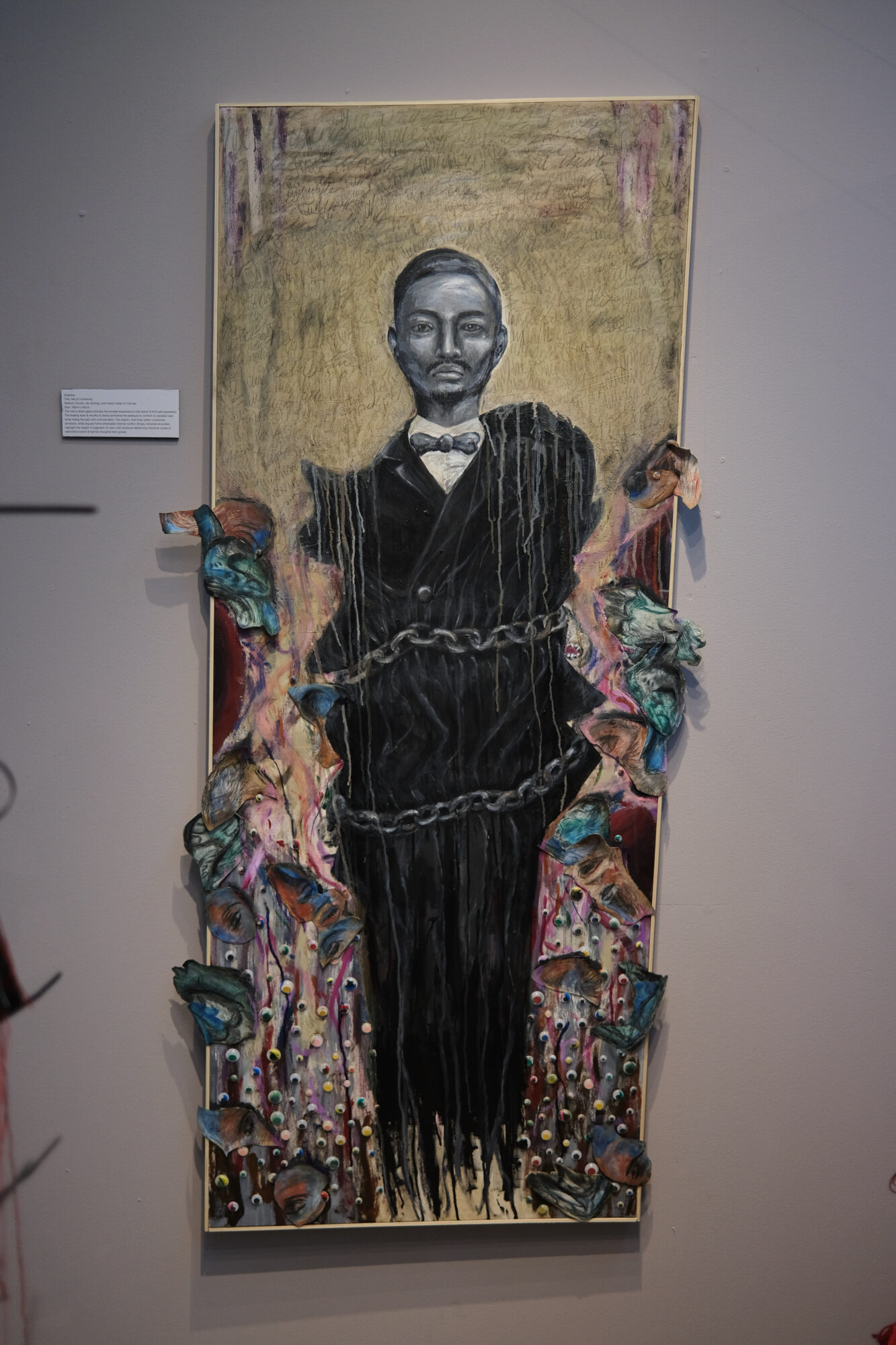
[In Veil of Conformity] the man’s sad, direct gaze criticizes the societal expectations that distort and limit self-expression. The floating eyes, mouths and chains symbolize the pressure to conform to norms and rules while hiding the pain with formal attire. The chaotic, fluid lines reflect unresolved emotions and angular forms emphasize internal conflict. Furthermore, broad, distorted shoulders highlight the weight of judgment on men, with scripture referencing historical cycles of restriction, control and harmful thoughts from gossip.
Angelica ly
[In Bound by Shadows] the inverted chest and broken hands trapped in a distorted frame portray the struggle of how women attempt to escape objectification but remain confined by societal expectations. The constricting blood vessels emanating from the heart intend to show the emotional strain of self-doubt, while rusted, fragmented forms symbolize the decay of self-image. The jagged, sagging red lines capture frustration, culminating in an emotional explosion caused by the pressuring male gaze on the female body and mind.
The Drawings of Cristian Sandoval
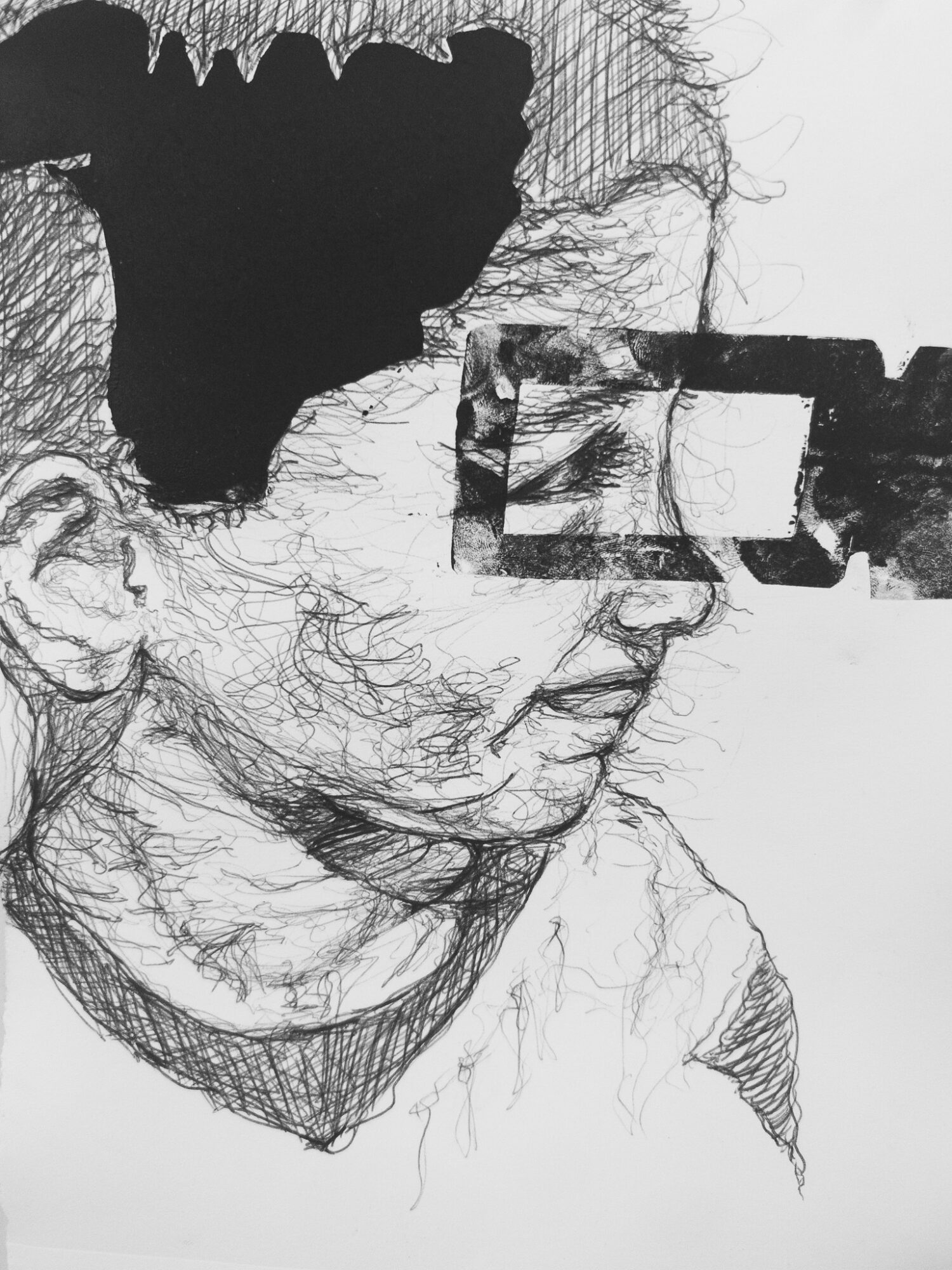
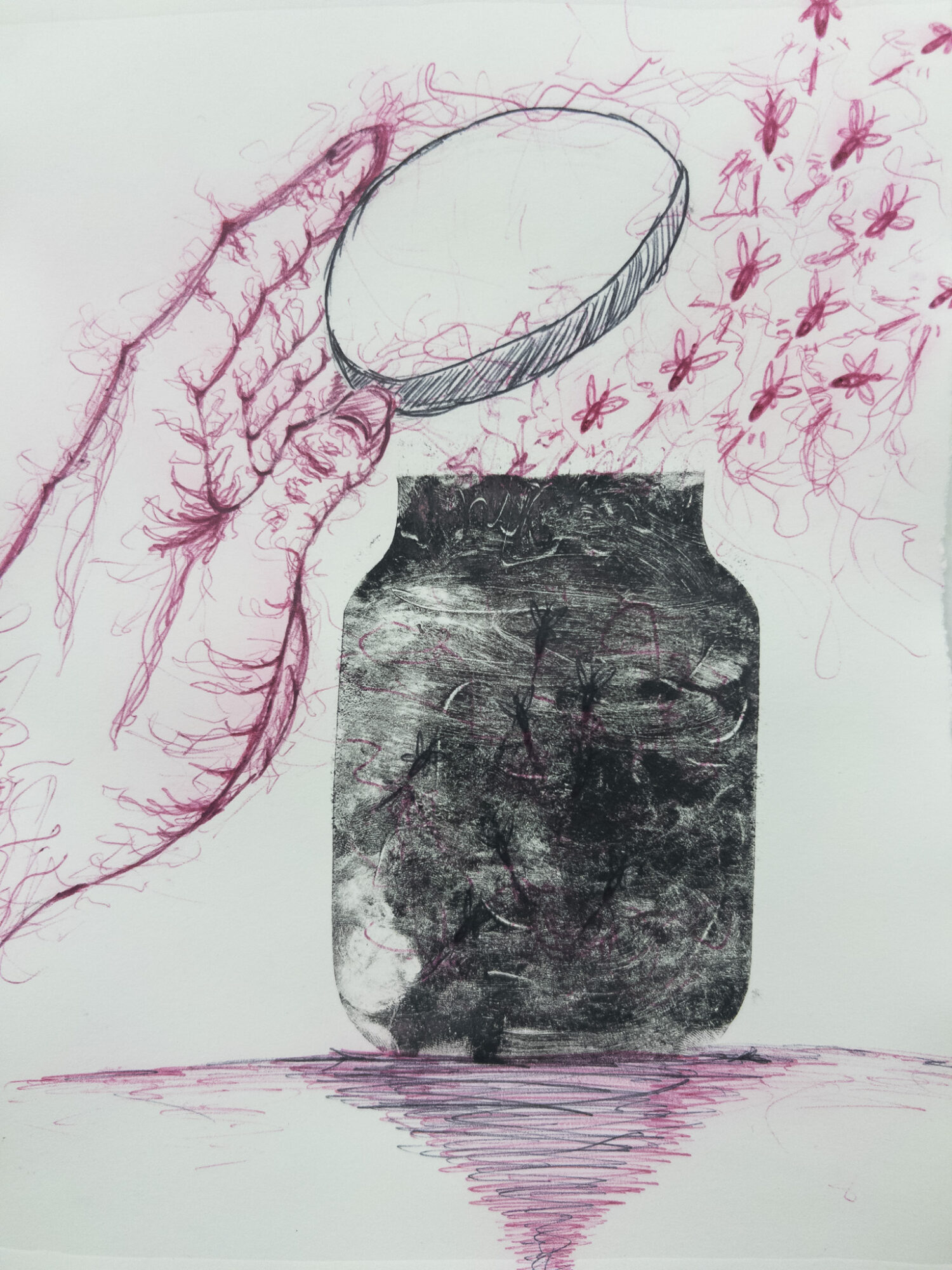
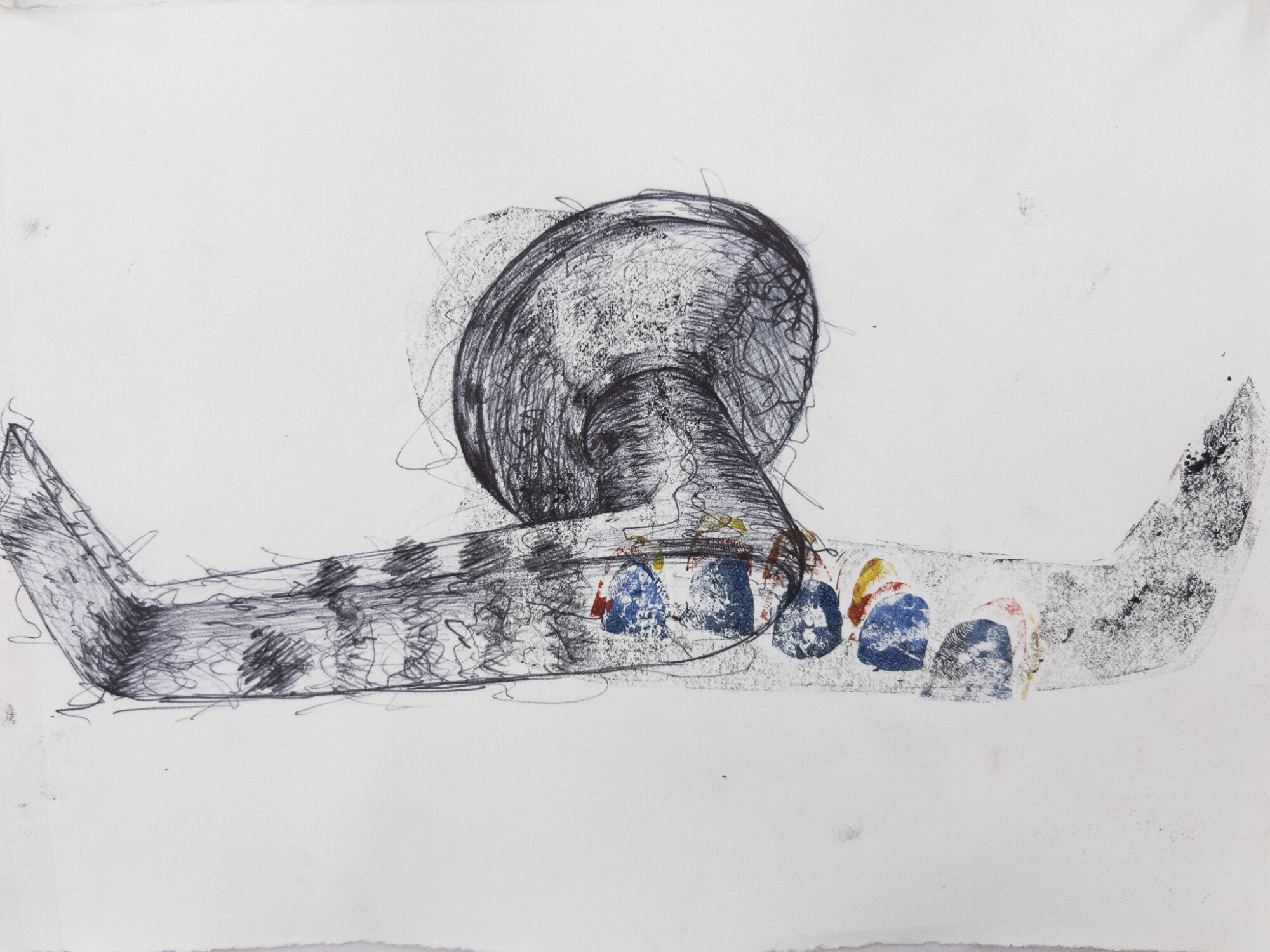
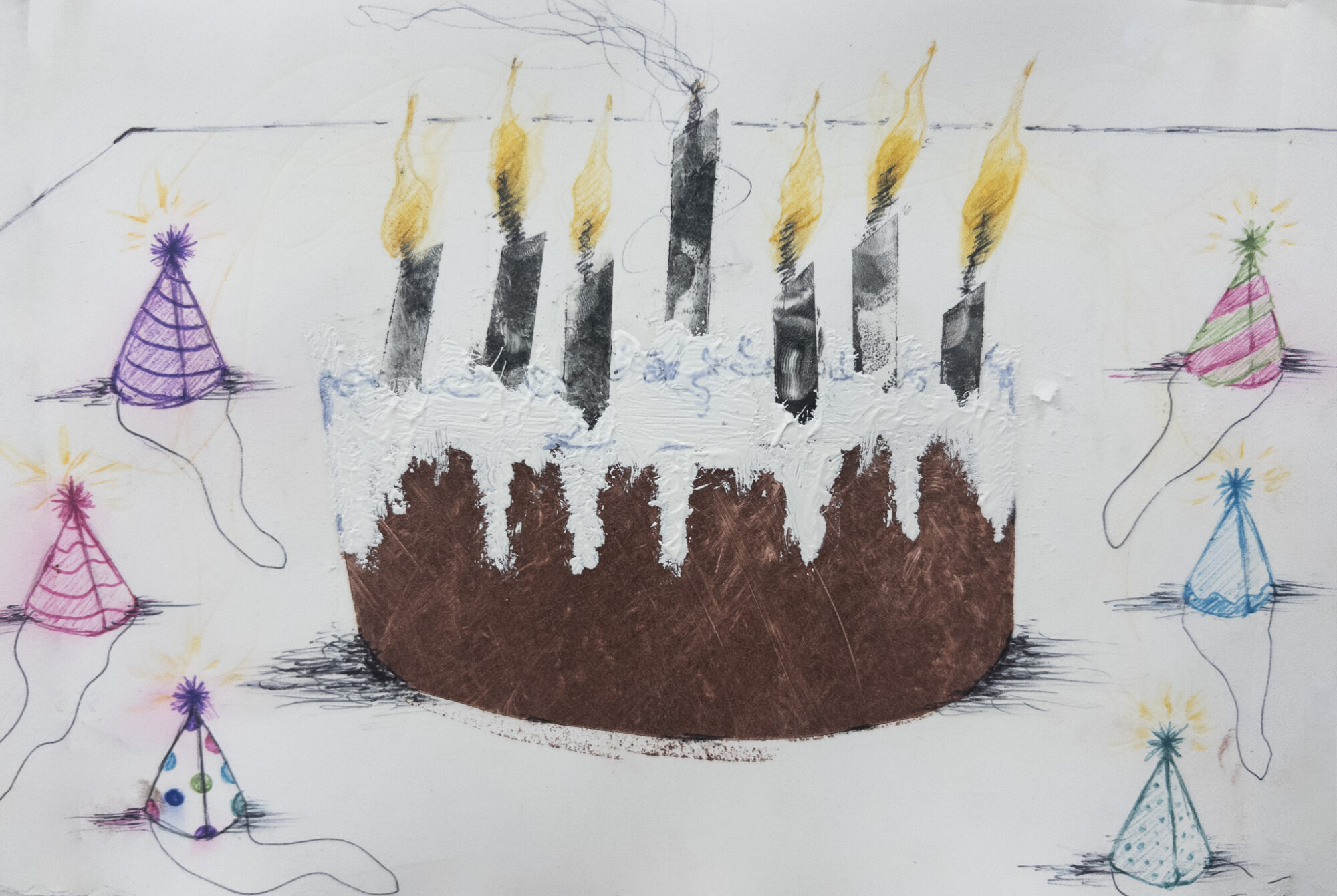
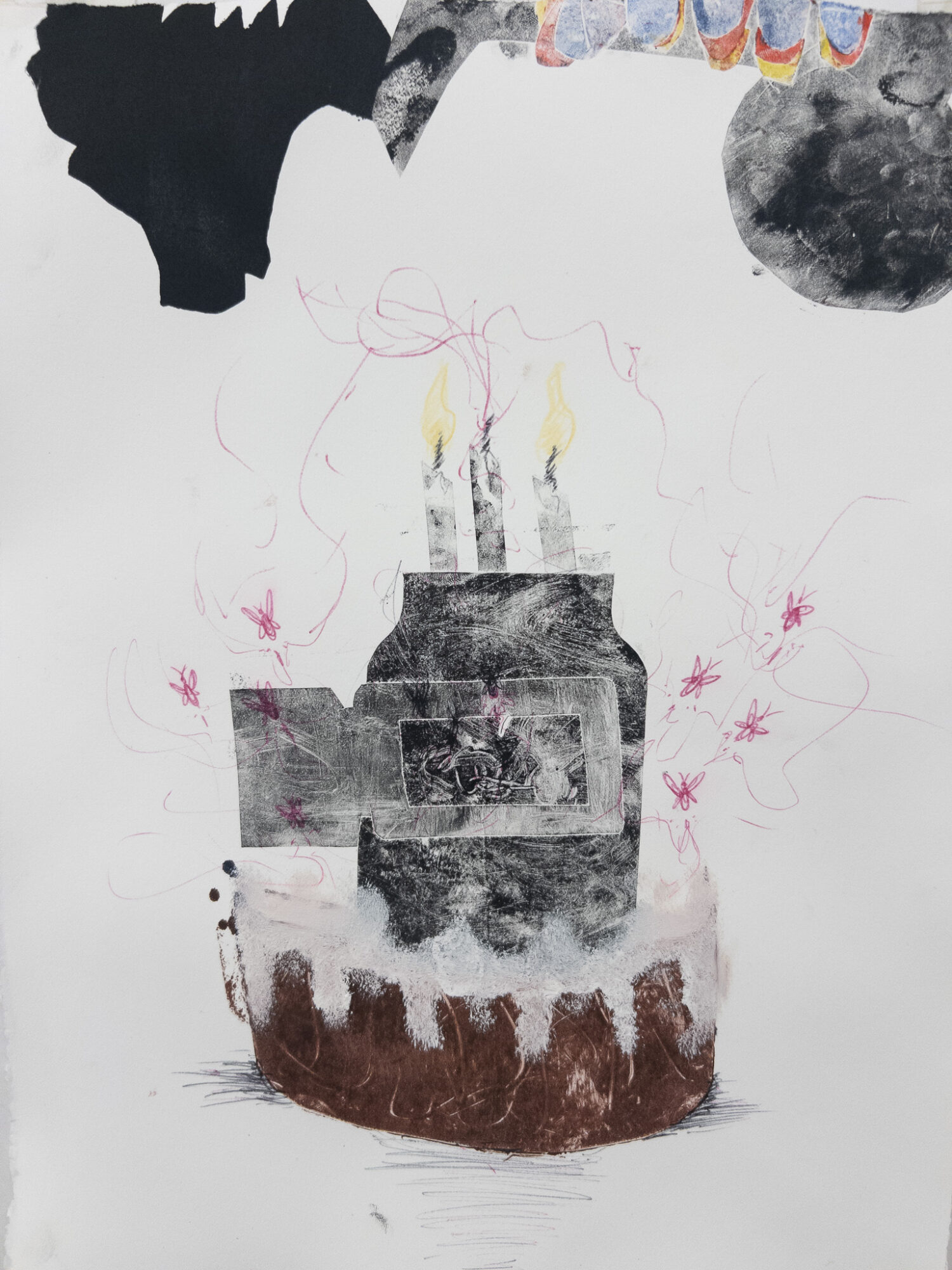
About Cristian Sandoval
Cristian is a first generation sophomore studying human biology and art practice! He seeks to become an epidemiologist and cultivate the health of low resourced communities all over the globe, whilst advocating for health injustices through his art pieces. Additionally, he hopes to depict the life lessons gained from his time at Stanford in his pieces, primarily composed of ballpoint pen, inks, and charcoals. He primarily works with 1-2 colors per creation. These singular colors provide more raw and intimate sentiments. This series of work is entitled “Wisps of Enlightenment” and they are ink and ballpoint pen monoprints.
⫘⫘⫘⫘⫘⫘⫘⫘⫘⫘⫘⫘⫘⫘⫘⫘⫘⫘⫘⫘⫘⫘⫘⫘⫘⫘⫘⫘⫘⫘⫘⫘⫘⫘⫘⫘⫘⫘⫘⫘
If you want to submit to the the IDA quarterly journal, we have an open call each quarter. Please subscribe to our mailing list by emailing lsongwu@stanford.edu to be notified or follow our Instagram for more updates.